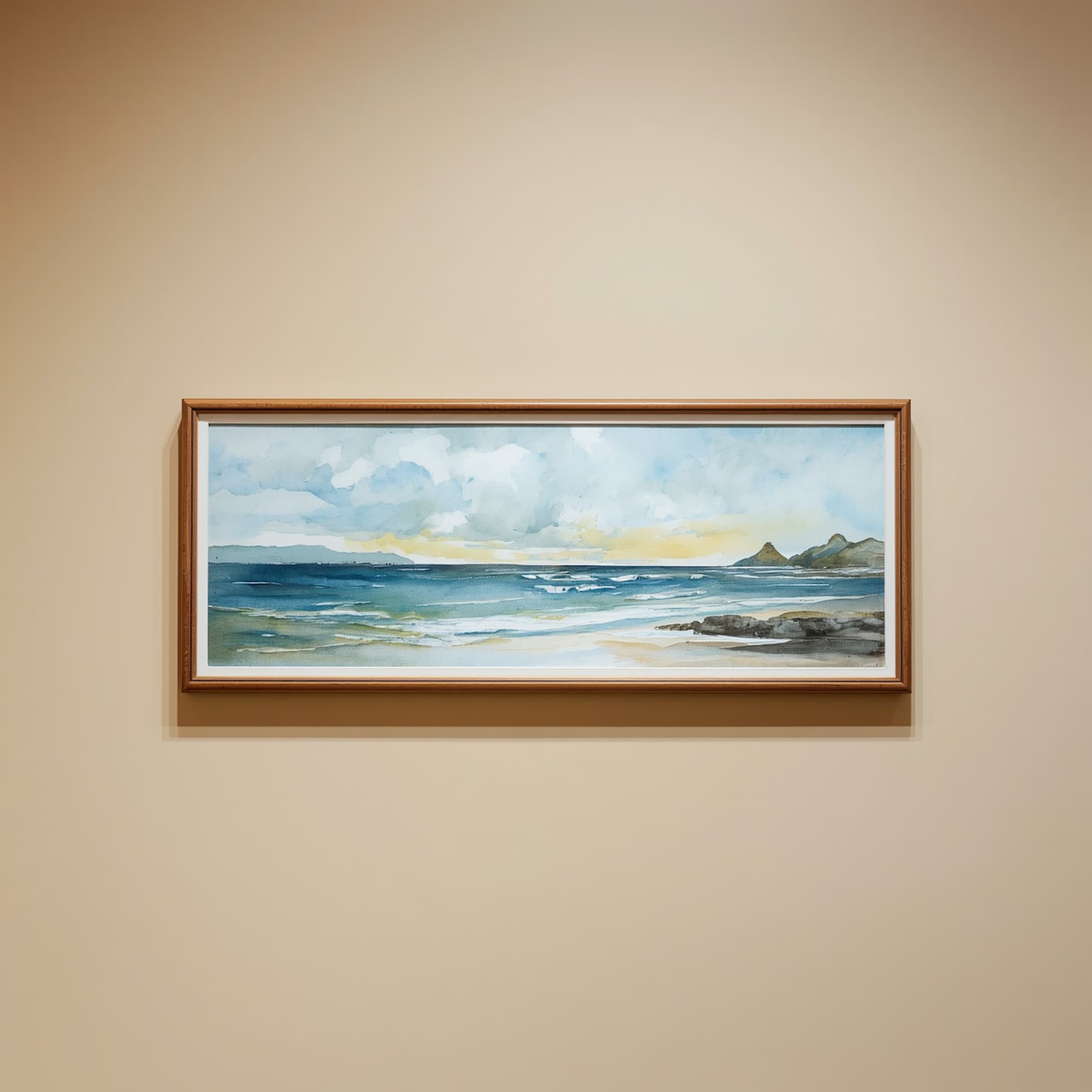
Looking for a painting that brings the calm of the sea to your walls? Here are some ideas to help you choose the right one, with examples of waves, beaches, harbors and much more.
Seascape Paintings: Why the Sea Never Goes Out of Style
Few subjects have appeared as often throughout the history of painting as the sea. Seascape painting is a genre in which the sea or something related to it takes center stage, from a beach to a boat or a harbor scene.
At home, that blend of calm and energy makes an immediate difference. A seascape painting invites you to unwind when you get home, brings back memories of summer and helps a room feel brighter and more open.
Types of Seascape Paintings for Decorating Your Walls
Seascapes come in many different styles, and they don’t all convey the same feeling. Here are some of the most popular ideas to help you find one that suits your home and the way you see the sea.
Paintings of Waves and the Moving Sea
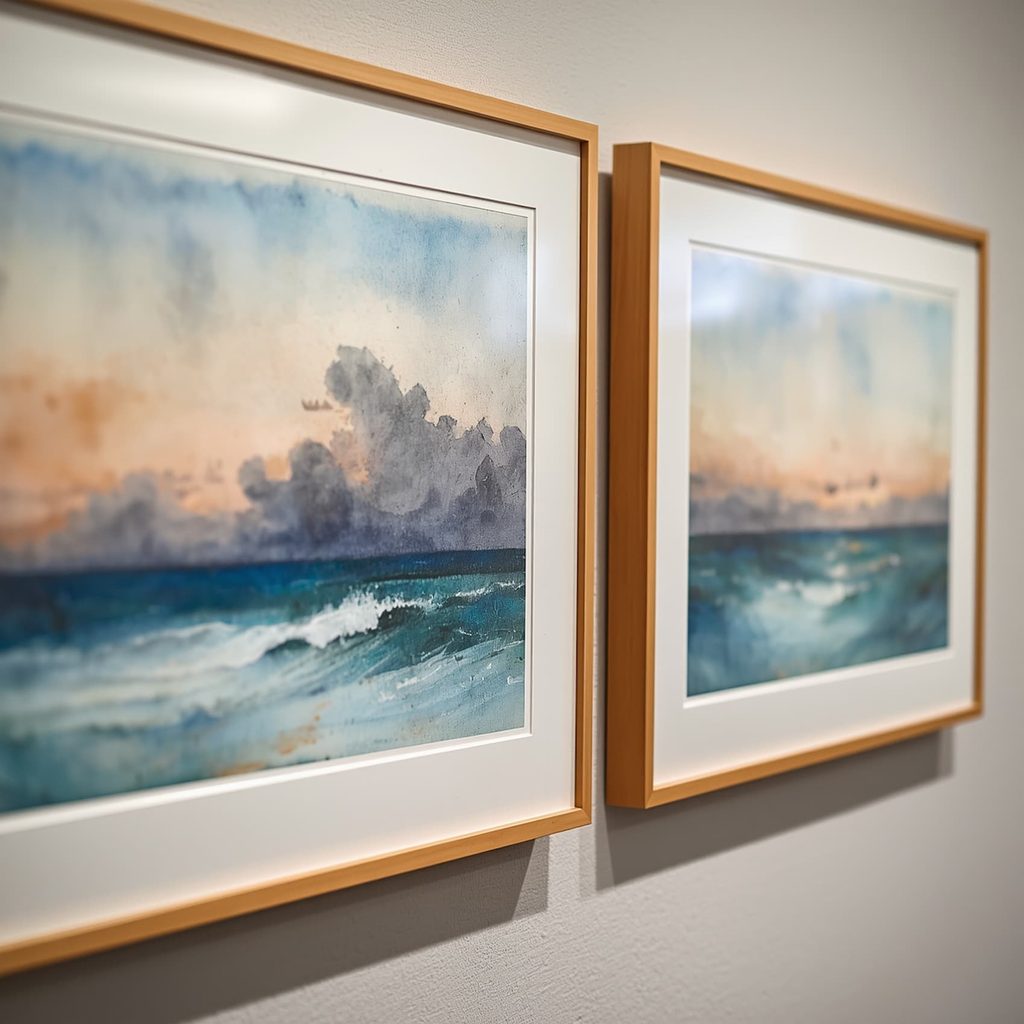
Crashing waves are perfect for anyone looking for energy and movement. A painting featuring powerful waves, foamy surf and deep greens and blues adds dynamism to a living room or entryway.
If you prefer something more subtle, a calm sea with an almost glassy surface works better in bedrooms and relaxation areas. It all depends on whether you want the painting to stand out or blend quietly into the background.
Paintings of Beaches and Peaceful Shorelines
Beach paintings featuring pale sand, distant umbrellas or footprints along the shore bring a touch of summer to your home all year round. They are easy to incorporate into almost any decor, especially when they feature sandy beige, cream and soft blue tones.
Paintings of Fishing Harbors, Boats and Sailboats
Fishing harbors are full of life: nets, wooden boats, houses along the waterfront and reflections on the water. A harbor painting tells a story and often appeals to people who have a personal connection to a coastal town.
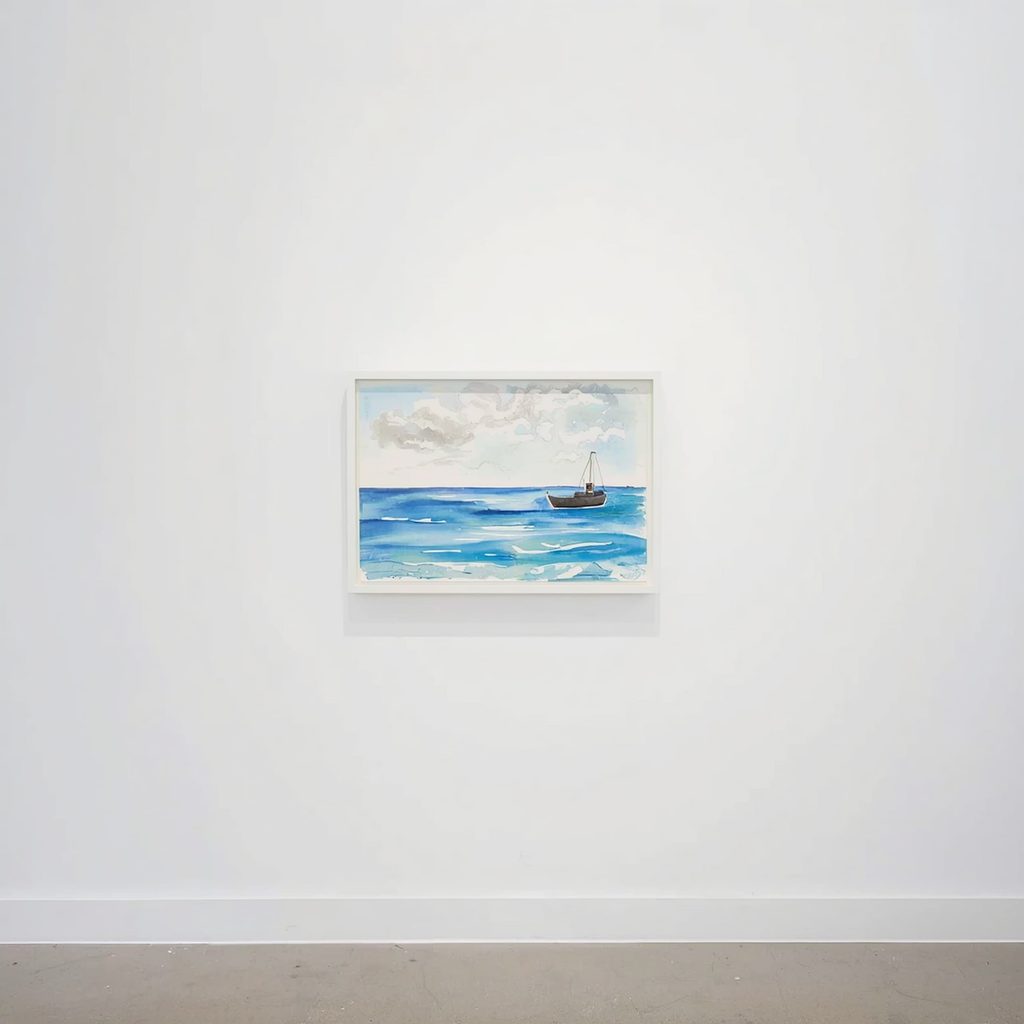
Sailboats are another popular choice. A small sailboat in the distance, with the sky occupying much of the painting, creates a sense of spaciousness. By contrast, a sailboat in the foreground has more presence and character.
Harbor scenes featuring cranes and docks also work well in industrial or minimalist homes. With a simple, understated frame, this type of seascape feels modern without losing the charm of the sea.
Paintings of Lighthouses, Cliffs and Rocky Coastlines
A lighthouse perched on a cliff adds a vertical element and an almost narrative quality to the composition. It is a classic subject that works well in home offices, studios and more traditional living rooms.
Rocky coastlines and cliffs, with their contrasts of light and shadow, create a more dramatic effect. They are ideal if you want a painting with character rather than just a pleasant blue backdrop.
Sunsets and Sunrises Over the Sea
Sunsets over the sea bring together shades of orange, pink and violet that warm up a room, while sunrises tend to feel cooler and more serene. Before making your choice, consider which time of day you use the room most, because the light in the painting and the natural light in the space influence each other.
Seascape Watercolors: Transparency, Light and Reflections
Watercolor has a natural advantage when it comes to painting water: its transparency. Thin layers of pigment allow the light of the paper to shine through, creating luminous seas, soft skies and reflections that seem to move.
That is why seascape watercolors convey a different kind of freshness from paintings created with other techniques. Compared with oil paintings, which often have greater weight and density, a watercolor seascape feels lighter and airier. This quality is especially appealing in small spaces or rooms filled with natural light.
How to Paint Sea Foam in Watercolor
In many watercolor paintings, white sea foam is not painted with white pigment. Instead, the artist leaves areas of the paper untouched. This classic technique requires the artist to plan each wave before beginning.
By preserving the white of the paper, the foam retains a natural brightness that is difficult to replicate using other methods. When looking closely at a watercolor seascape, pay attention to those small, clean white areas, as they often reveal the care and skill behind the work.
Colors in Seascape Paintings and Their Effect on a Room
Color plays a bigger role in seascapes than in almost any other genre. Depending on the palette, the same sea can convey freshness, warmth or melancholy.
- Blues and turquoise greens: Create a fresh, spacious feeling and work particularly well in bathrooms, bedrooms and bright living rooms.
- Sandy beige, cream and sepia tones: Add warmth and pair beautifully with wood, natural fibers and light-colored textiles.
- Grays and dark blues: Create a more understated, dramatic seascape, ideal for home offices or walls that need a strong visual statement.
- Sunset oranges and pinks: Add warmth and energy to rooms decorated in neutral tones.
Large Paintings, Triptychs and Series: Formats for Every Wall
A large seascape painting becomes the focal point of a wall. It works particularly well above a sofa, headboard or chest of drawers, provided there is enough empty space around it to let the image breathe.
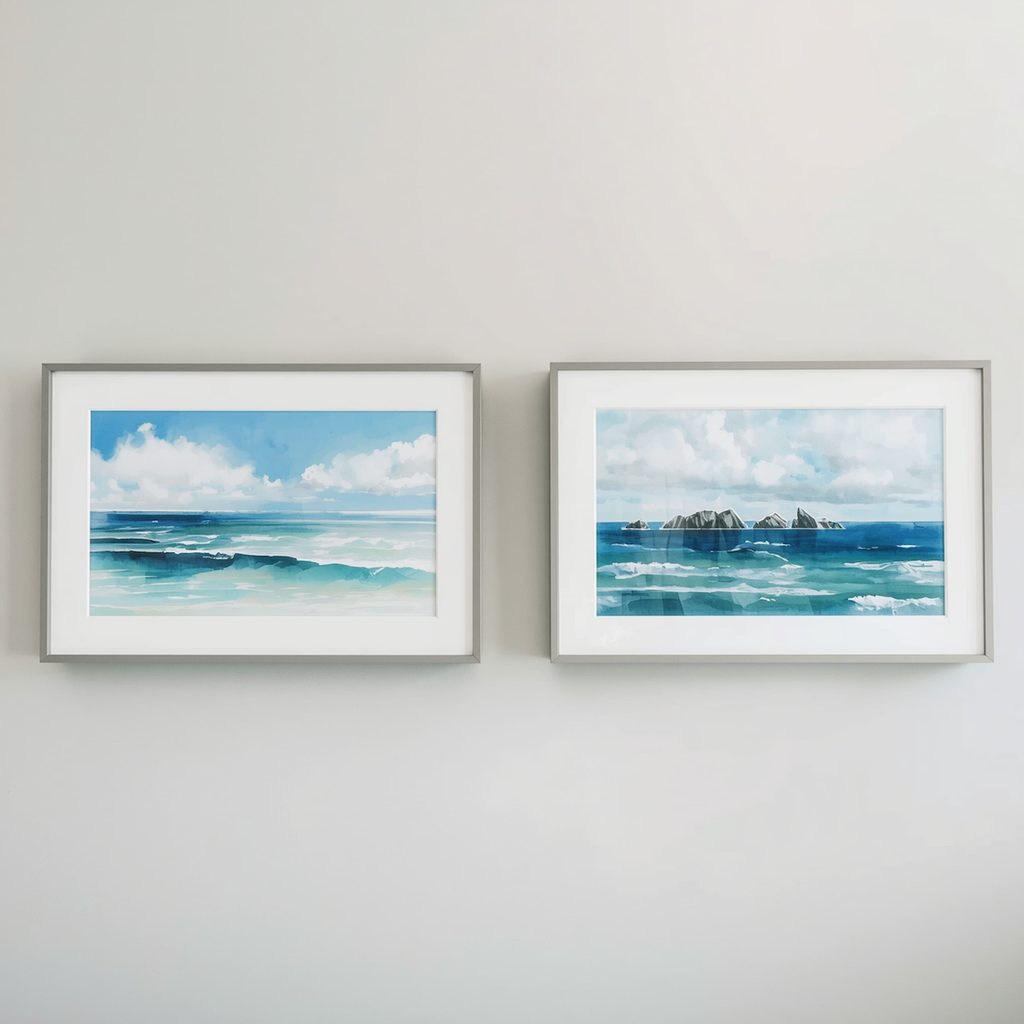
Triptychs divide a single scene into three pieces and are an excellent solution for wide walls, creating a panoramic effect and a continuous horizon. You can also create a series of smaller paintings around the same theme, such as three different views of the same coastline.
If your space is small or your wall is narrow, a vertical painting featuring a lighthouse or sailboat can elongate the composition and add height. In hallways and passageways, a well-framed medium-sized painting is often more than enough.
Where to Hang a Seascape Painting at Home
A seascape can work in almost any room, but each space has different needs. These ideas can help you choose the right spot.
- Living room: A large painting or triptych above the sofa, with colors that complement your cushions and curtains.
- Bedroom: Calm seascapes in soft tones that create a relaxing atmosphere.
- Home office: Lighthouses, harbors or sailboats, which often bring a sense of calm and focus.
- Bathroom and kitchen: Small or medium-sized pieces with a frame and protective glass, placed away from splashes and direct exposure to steam.
Frames, Mats and Care Tips for a Seascape Watercolor
A watercolor needs a glass or acrylic frame because paper is delicate and reacts to moisture and friction. A mat, the white border between the artwork and the frame, prevents the paper from touching the glass directly and gives the composition some visual breathing room.
As for frame styles, light wood works well with Scandinavian or Mediterranean-inspired seascapes, while a slim black or metal frame enhances industrial and harbor scenes. To help your seascape painting last for many years, follow a few simple guidelines:
- Avoid direct sunlight, as pigments can fade over time.
- Keep it away from heat sources and damp areas.
- Clean it only with a soft, dry cloth, and always clean the glass rather than the artwork.
Original Painting or Print: What’s the Difference?
An original painting is a one-of-a-kind piece created by hand that will not be reproduced as an identical original. A print or high-quality reproduction recreates the artwork on suitable paper, allowing you to enjoy the image at a more affordable price and in different sizes.
If you are looking for a piece with personal value, an original is the more special choice. If you want to decorate a wall with a particular seascape without making a large investment, a good-quality print is a very sensible alternative.
How to Choose the Right Seascape Painting for You
Pay attention to how each image makes you feel: calm, energized, nostalgic or eager to travel. Choose the one you will enjoy looking at every day, because ultimately, a good seascape painting is one that feels at home with the people who live alongside it.