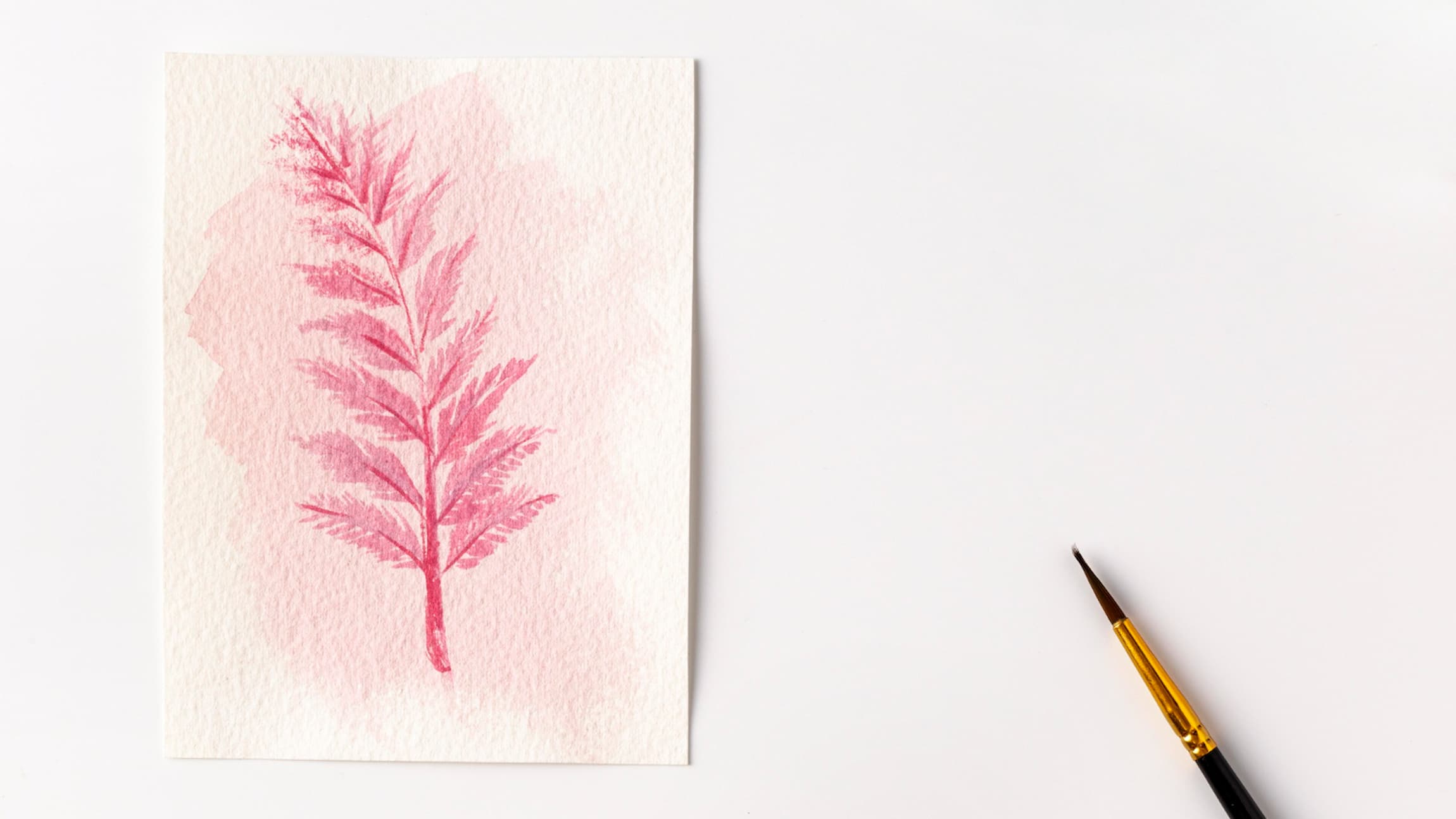
The paper you use can make the difference between a watercolor painting that flows naturally and one that buckles, tears, or cannot handle the amount of water you need. Before buying the first sheet you come across, it is worth knowing which paper weight, texture, and composition best suit your painting style. Below, you will find the criteria that make the difference between an ordinary paper and the right paper for you.
Watercolor paper is made by breaking down fibers into a pulp, which is then pressed and dried into sheets. This pulp can be made from 100% cotton, wood cellulose, or a combination of both, and this proportion largely determines how the paper behaves when exposed to water. The higher the cotton content, the more resistant and flexible the sheet will be.
Cellulose paper is usually more affordable and is a good introduction to the world of watercolor, although it tends to become saturated and lose fibers when subjected to too many washes or scraping techniques. Cotton paper, on the other hand, can withstand repeated washes, dries with less warping, and ages better over time, which is especially noticeable in artworks that you plan to frame or preserve.
Paper weight indicates the grams of fiber per square meter and usually ranges from 190 to 850 g/m². As a general rule, the higher the paper weight, the more water the paper can absorb without buckling or warping, so this factor should carry more weight in your decision than the brand or price.
Papers weighing between 190 and 300 grams are thinner and more affordable, making them perfect for exercises, quick sketches, or anyone who is just starting to learn how to control the amount of water on the brush. However, it is best to avoid papers below 190 g/m², as they behave almost like standard printer paper and wrinkle easily as soon as they come into contact with moisture.
From 300 grams upward, paper becomes more rigid and can handle large washes, overlapping layers, and wet-on-wet techniques without needing to be stretched beforehand on a board. It is the recommended option if you work on large formats or if your style relies on multiple glazes, although the price generally increases along with the paper weight.
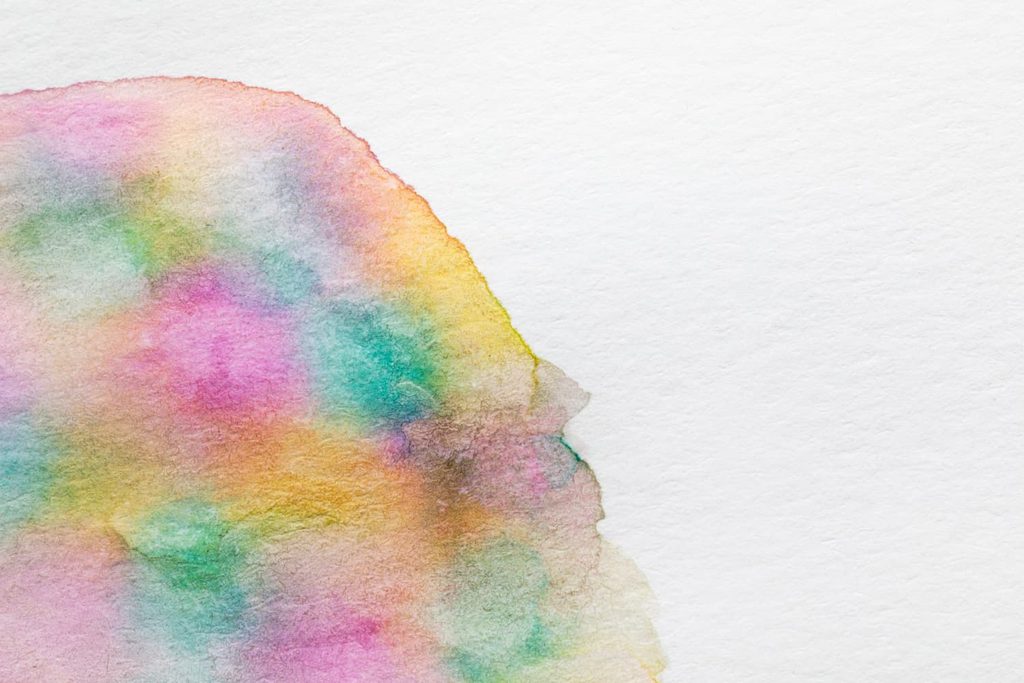
The surface finish depends on the type of pressing the sheet undergoes during manufacturing and directly affects how the paint behaves on the paper. Before choosing a texture, it is worth considering the type of artwork you usually paint, as there is no single texture that works for every technique.
It has a very smooth and uniform surface, making it ideal for botanical watercolors, portraits, or any work involving a high level of linear detail. On the other hand, it requires greater brush control because water moves quickly across the surface, making it easy for puddles to form if you do not properly control the amount of pigment.
This is the most versatile option and the one generally recommended for beginners, as it accommodates virtually any technique, from wet-on-wet to fine details. Its slightly uneven texture helps pigment distribute naturally without sacrificing sharpness around the edges.
It has a highly textured surface that enhances scraping effects, granulation, and broad washes with a high water load. It is widely used for landscapes and artworks where the texture of the paper itself forms part of the final result, although it is not the best option if you are looking for clean lines or small details.
A paper block is the most convenient option for painting outdoors, as the sheets are already glued or stapled together and do not need to be prepared before you start. It is also the most common way to try a new brand without committing to a large format.
A single sheet is more affordable per sheet and allows you to cut the paper to the exact size you need, which is useful if you work with irregular formats or want to stretch the paper yourself over a board. A travel sketchbook, meanwhile, is designed for artists who combine sketching and painting outside the studio and need a bound, durable surface.
Not all brands aim for the same thing or are designed for the same budget, so it is worth choosing your paper according to how long you have been painting. Here are some common options found in specialist art stores, arranged from lower to higher technical demands:
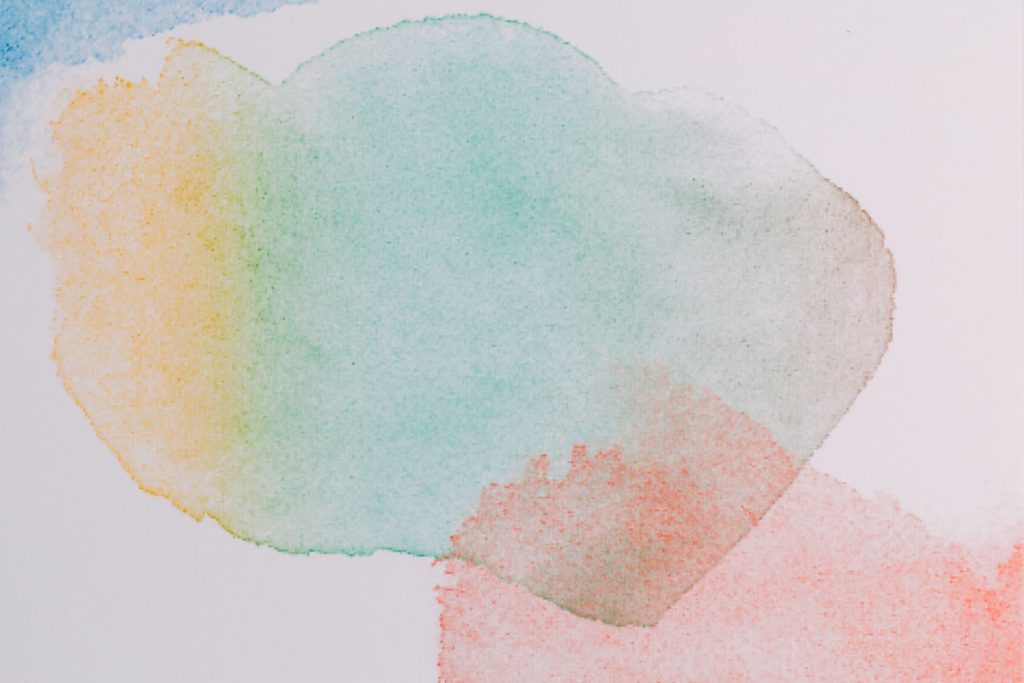
With hot-pressed papers, both sides are equally smooth, so you can paint on either side without any noticeable difference. With cold-pressed and, especially, rough paper, one side has more texture and is usually the recommended side, as it helps prevent water from pooling in areas where you do not want it.
If you see this certification on the packaging of your block or sheet, it means that the paper complies with international permanence standards: it does not yellow over time and is better able to withstand the passing of years without becoming brittle. This is worth considering if you plan to sell your artwork or keep it framed for a long time.
Before completing your purchase, make sure you are not making any of these common mistakes, as they are often the reason why high-quality paper produces poor results in practice.